
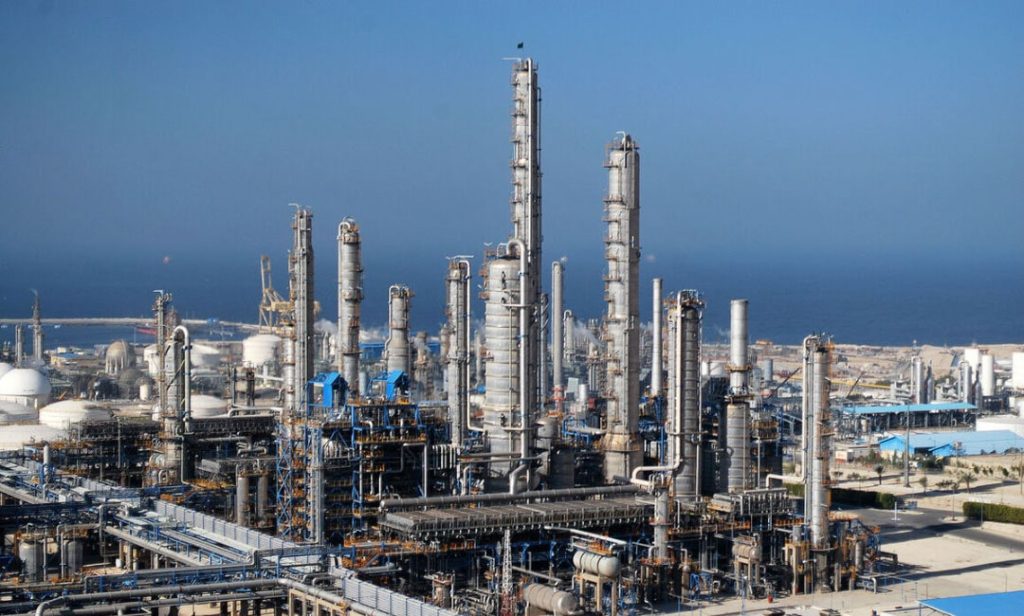
The petrochemical industry, which is part of the wider world of chemical industries, produces chemical products from oil and gas raw materials. The products of this industry are divided into two main categories, depending on the technology used, the complexity of the production processes, and the degree of proximity to the final consumer market:
Upstream or basic products, which include intermediates and feedstocks for further processing, and downstream products, which are directly marketed. Downstream products, due to their closer proximity to the consumer market and the higher added value they create, are usually more expensive. A clear example of this category of products are engineering polymers, which have a higher added value than other polymeric materials due to their specific production methods and specific applications.
However, these products are usually produced in smaller volumes and their high added value can only be achieved when they are produced in well-known petrochemical complexes using reliable and appropriate technologies.
Raw materials and applications of petrochemical industries
The feedstock for petrochemical industries is often derived from by-products of the crude oil extraction process, such as gas condensate, or from refinery by-products such as naphtha and ethane extracted from natural gas.
These petrochemical products are used as key raw materials in many downstream industries. These include the textile industry, cosmetics, detergents, paints and resins, solvents, fertilizers and pesticides, rubber, footwear, and packaging (especially for food and pharmaceutical products) that use these products.
Petroleum and its derivatives not only play a fundamental role in meeting human needs for fuel, energy, and fibers, but have also led to the emergence and development of other industries, such as the following:
- At the same time as crude oil refining, the use of internal combustion engines also became widespread, and millions of gasoline-powered cars were introduced to the market.
- Today, petroleum products, in addition to being used in the field of vehicle fuel, engine oil, etc., play a valuable role in the preparation of many parts needed for the manufacture of vehicles, and efforts are being made to create car bodies from plastic materials that can be produced from the polymerization of petroleum compounds.
- Petroleum products are used and are essential in the preparation of fuel for guided missiles, spacecraft and satellites, and even in the manufacture of many of their internal parts.
- The raw material of most drugs and even antibiotics is derived from petroleum compounds, especially almost all cleaning agents, herbicides, etc. are derived from petroleum derivatives and petrochemical products.
Major components found in crude oil:
- Saturated hydrocarbons Chain
- Annular hydrocarbons by garlic, which are called naphthenes.
- Unsaturated hydrocarbons chain ethylene and acetylene
Natural gas compositions: Natural gas is the gaseous portion of petroleum products that is present with crude oil in underground reservoirs or is obtained from the distillation of crude oil at temperatures below 20 degrees Celsius. Natural gas is a natural mixture of methane gas (about 85%), propane, butane, carbon monoxide, hydrogen (synthesis gas) with some soot. Its main use in non-industrialized countries is as a fuel, but in industrialized countries it is very useful and essential in the preparation of many chemical and industrial products.
Recent studies show that the use of gas resources to supply feedstock for petrochemical projects is more economical than naphtha. For example, the cost of producing ethylene with gas feedstock is 40% lower than other methods. Therefore, today, the development of petrochemical industries based on natural gas feedstock is being considered, and for this reason, the direction is to build new complexes in gas-rich areas or along the route of national gas pipelines.
In general, the production of petrochemical complexes can be classified into five main groups as follows:
- Basic chemical products
- Polymers
- Aromatics
- Fertilizers and pesticides
- Hydrocarbon fuels and materials
Considering the types of processes in petrochemicals, the feedstocks used in this industry are mainly sweet gas, light and heavy naphtha, liquefied gas, and phosphate rock, of which only phosphate rock is imported from abroad.
Basic chemical products:
It includes a wide range of products that have the highest product diversity among the five main groups. Various acids, bases and related salts, various gases and other chemicals are in this group. They have the highest added value compared to other groups. Due to changes in customer needs and market needs, their production technologies change rapidly. Polymers are divided into four groups:
Basic polymers such as polyolefins, PVC, polystyrene, ethylene and propylene are the most important basic olefins that have large markets for the manufacture of various polymers.
- Specialty polymers such as Teflon
- Engineered polymers such as polycarbonate and nylon
- Semi-engineered polymers that have properties between engineered and basic polymers, such as ABS
- In addition, polymers are divided into three main groups from the point of origin, which are natural, modified natural and synthetic polymers
Natural resins or polymers:
Natural sources of resins are animals, plants, and minerals. These polymers are easily molded but have a short lifespan. Common resins include rosin, asphalt, tar, beeswax, sandros, lignin, glass varnish,
Modified natural polymers:
Modified natural resins consist of cellulose and protein, the main components of plants and are readily available as raw materials for the production of plastics. Casein, made from cow’s milk, is the only protein-derived plastic that is relatively successful in the commercial arena.
Synthetic polymers:
Synthetic polymers can be obtained through polymerization reactions. Polymeric materials can be used to make plastics, adhesives, paints, insulating containers, and medical materials. Plastics have helped produce new designs in cars, trucks, buses, hovercraft, boats, and trains, musical instruments, household appliances, building hardware, and other applications.
Aromatic Products:
Like the chemical group, which includes a wide range of products such as: gasoline, toluene, orthoxylene, paraxylene and heavy aromatics, etc. Despite the great diversity of products in this group and their great importance in production, the consumption of some products in this group seems insignificant compared to the products of other groups. In general, chemical and aromatic products are necessary for the industrial progress of every country, but despite their importance, they do not create much added value. For this reason, in most countries, the production of these materials is only economically justified on a very large scale.
In addition, there is no significant economic benefit from exporting them. For this reason, most of the manufacturers of these products are very large companies, so only a few special companies that operate exclusively in this field and the quality of their products is also very good and well-known. They produce at a global level and export products to countries around the world.
